Feed the roots in October.
Your trees are about to spend 5 months living off what they store this fall.
The question this tip answers
When should I fertilize my trees in North Texas?
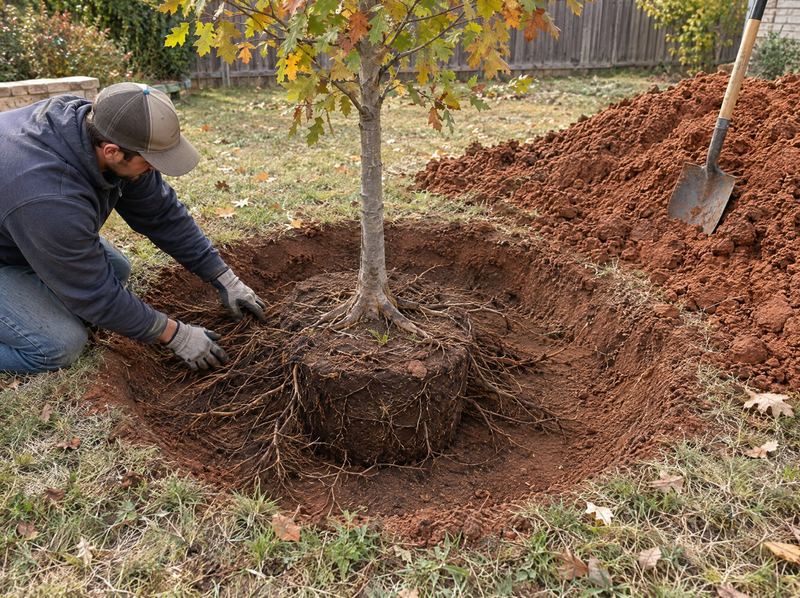
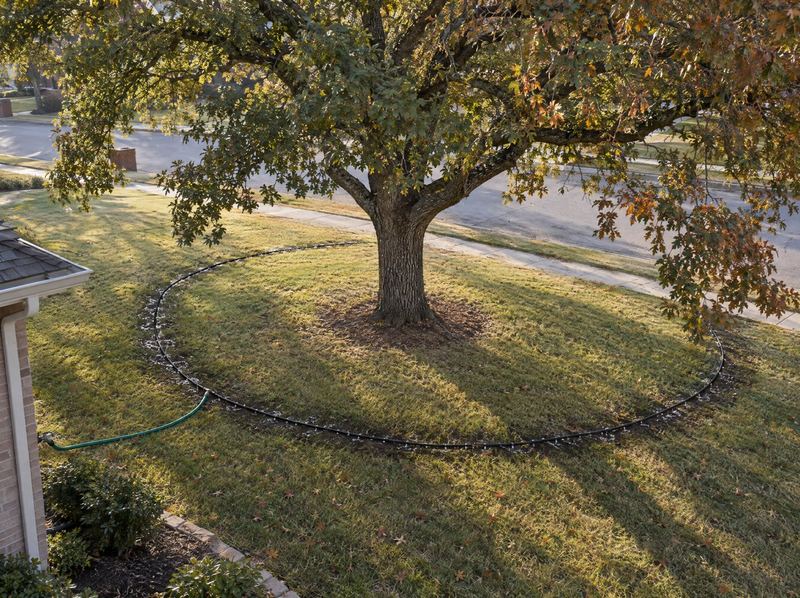
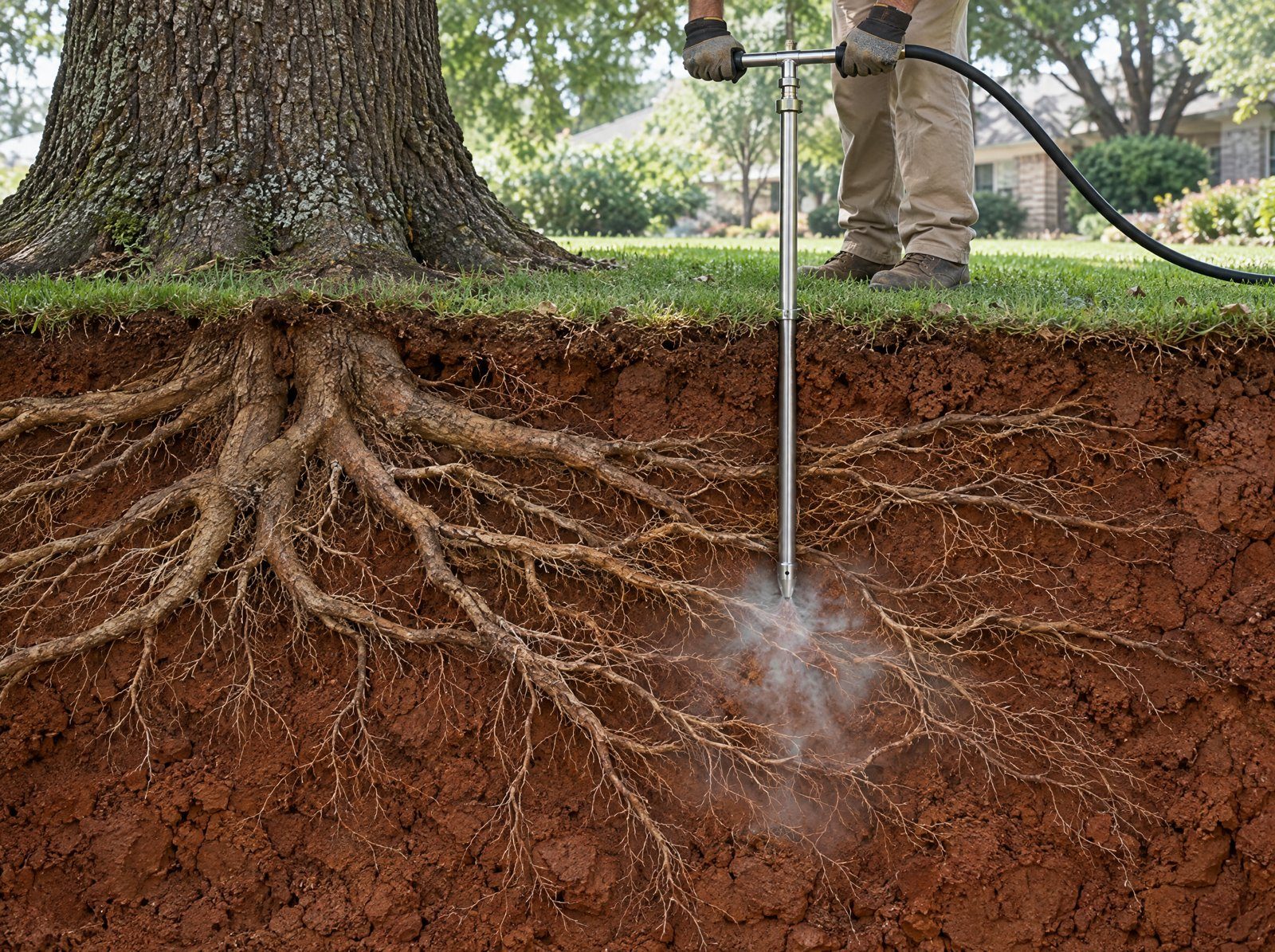
Here's what most people miss about North Texas. The leaves stop working in November, but the roots don't. Soil temperatures in Collin County stay warm into December, and roots keep growing and keep pulling nutrients long after the canopy shuts down. That stretch is when a tree builds the reserves it spends next spring pushing new leaves.
Feed in October and you're feeding a system that's still awake. Feed in March and you're playing catch-up on a tree that already spent everything it had.
Our clay soil makes this bigger than it sounds. Clay locks up iron and manganese, and it packs tight around roots that need air and water moving through. A red oak in tight clay can go yellow between the veins by July, and that starts with a fall the tree spent hungry.
What you can do yourself
Get a soil test before you throw anything at the ground. Guessing at fertilizer in clay wastes money and can make the lockup worse.
What we do
An ISA Certified Arborist reads the soil and the tree, then prescribes the nutrition that tree needs at the time of year it can use it.

Want an arborist to look at yours?
Book a free consultation. An ISA Certified Arborist will walk the tree with you and tell you what it needs.